Dew Point in Compressed Air: What It Actually Means and Why Your Application Dictates the Spec
If you have spent any time around compressed air systems, you have probably heard someone mention “dew point.” It gets tossed around in equipment specs and maintenance conversations, but most facilities never take the time to understand what the number actually means for their operation, and that misunderstanding costs money.
What Dew Point Measures
Dew point is the temperature at which water vapor in your compressed air begins to condense into liquid. Every volume of air holds a certain amount of moisture. When that air is compressed, the moisture concentrates. When the air cools down anywhere in the system, whether inside a pipe running through an air-conditioned room or an outdoor line on a cold January morning, it can hit the dew point and drop liquid water into your lines.
That water causes real problems. Corrosion inside steel piping. Water slugs damaging pneumatic valves and cylinders. Contamination in paint booths, packaging lines, and product finishing. Ice formation in exposed outdoor runs during winter.
The dew point rating on your dryer tells you the lowest temperature your air can reach before moisture forms. The lower the dew point, the drier the air.
Why One Number Does Not Fit Every Facility
This is where most facilities get it wrong. They either spec the cheapest dryer and hope for the best, or they go to the extreme and install a desiccant dryer on a system that does not need one.
Here is a general breakdown of what different applications typically require:
General plant air, pneumatic tools, and basic manufacturing usually do fine with a pressure dew point between 35 and 38 degrees F. A standard refrigerated dryer handles this range efficiently and affordably. This covers the majority of Texas shop floors.
Spray painting, powder coating, and light food processing often need something in the 33 to 38 degree F range. Still achievable with a good refrigerated dryer, but the system needs to be properly sized and the dryer needs regular maintenance to hold that spec consistently.
Food and beverage packaging, pharmaceutical production, electronics assembly, and medical device manufacturing typically require pressure dew points of negative 40 degrees F or lower. These applications demand desiccant dryers, and the air quality standards (like ISO 8573-1 Class 1 or Class 2) are strict for good reason. Product safety and regulatory compliance are on the line.
Oil and gas operations, outdoor instrument air, and any system with piping exposed to freezing conditions also need dew points well below zero. If the air temperature in your lines drops below your dew point rating, you get condensation or ice, and that can shut down instrumentation and controls.
The Cost of Getting It Wrong in Either Direction
Desiccant dryers are significantly more expensive to operate than refrigerated units. They consume more energy, require regular media replacement, and often need a portion of the compressed air itself for regeneration (purge air), which reduces your net system output. If your facility is running a desiccant dryer on a system that only needs 38 degree dew point air, you are paying a premium every month for air quality you do not need.
On the flip side, running a refrigerated dryer on a system that demands negative 40 degree air will eventually result in a contamination event, a failed batch, a compliance violation, or damaged downstream equipment. The cost of a single incident like that usually dwarfs the annual operating cost difference between the two dryer types.
What You Can Do Right Now
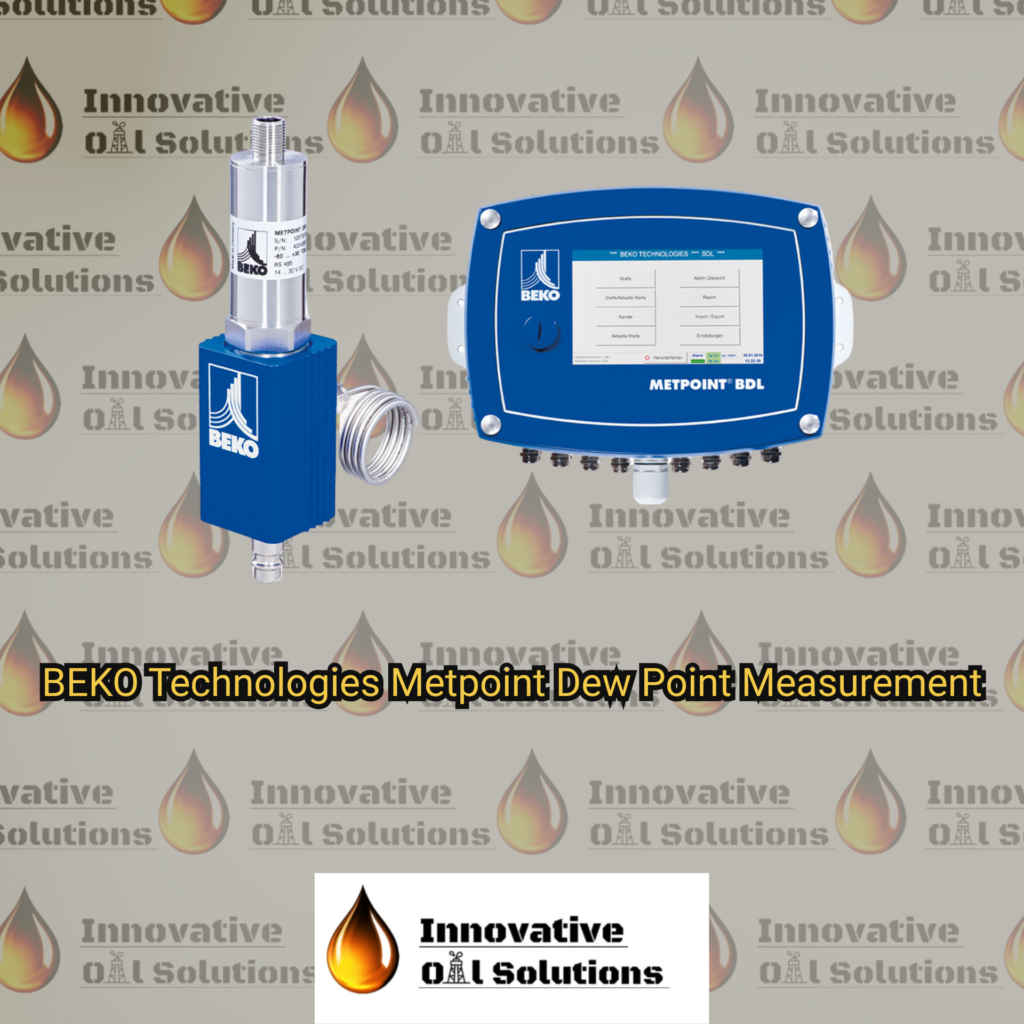
If you have never measured the actual dew point at different points in your system, that is the place to start. The reading at the dryer outlet is not always what you are getting at the point of use. Pressure drops, temperature swings, and piping conditions all affect the final number.
A simple dew point audit can tell you whether your current dryer is doing its job, whether you are over-spending on drying capacity you do not need, or whether you are running a risk you did not know about.
That is the kind of thing we help Texas facilities figure out every week. If you want a second set of eyes on your air treatment setup, give us a call.