
Bulk Compressor Oils & OEM-Matched Lubricants: Why One-Size-Fits-All Oils Cost More
Many industrial facilities are told that a single PAO-based synthetic oil can be used across all compressor brands. While PAO oils are high-quality synthetics, treating them as a universal solution is a costly misconception. Compressor manufacturers design machines around specific lubricant chemistries to optimize heat transfer, efficiency, and reliability. Using the wrong base oil—even a premium one—can reduce energy efficiency and shorten equipment life.
The PAO Misconception in Compressor Lubrication
PAO (polyalphaolefin) oils are widely used due to their oxidation resistance and thermal stability. As a result, many lubricant suppliers default to PAO oils for every compressor brand. OEM lubricant requirements, however, are performance-based and chemistry-specific—not brand-based or convenience-based.
Base oil chemistry directly impacts heat rejection, oil film strength, seal compatibility, and aftercooler efficiency. PAO is not the default oil for all compressors, despite common industry assumptions.
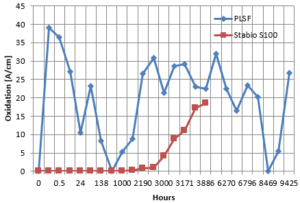
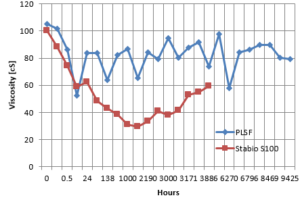
OEM Compressor Oils Are Engineered for Efficiency
Many compressor manufacturers specify non-PAO base stocks because they better support the thermal and efficiency requirements of their equipment designs.
Quincy Compressors: Specify diester-based synthetic oils for superior heat transfer, natural detergency, and improved aftercooler performance.
Ingersoll Rand: Uses PAG (polyalkylene glycol) oils in many models to improve heat rejection, reduce friction losses, and support higher energy efficiency ratings.
Other OEMs: Use proprietary synthetic blends designed to match airflow design, discharge temperature targets, and internal cooling requirements.
Why Heat Transfer Matters in Compressor Oils
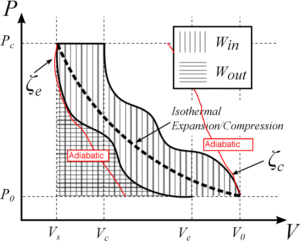
Compressor oil functions as both a lubricant and a heat transfer medium. Oil chemistry determines how effectively heat is removed from compression elements and rejected through coolers.
Using a generic PAO oil in a compressor designed for diester or PAG chemistry can increase discharge temperatures, reduce aftercooler efficiency, increase power consumption, and accelerate oil degradation.
How Innovative Oil Solutions Matches the Correct Oil Chemistry
Innovative Oil Solutions matches compressor oils based on OEM design intent rather than assumptions. We evaluate base oil chemistry, viscosity, additive packages, and operating conditions to ensure full compatibility and performance.
Through our personal blending capabilities, we formulate OEM-matched and OEM-equivalent compressor oils that meet or exceed manufacturer specifications while optimizing real-world performance and service life.
Cost Savings Without Efficiency Loss
True lubricant cost savings come from eliminating brand premiums—not from sacrificing efficiency. By matching the correct oil chemistry, customers benefit from reduced lubricant spend, preserved energy efficiency, extended oil life, and reduced maintenance costs.
Bulk Oil Supply for Consistency and Control
Innovative Oil Solutions supplies bulk compressor oils and industrial lubricants for air compressors, gas compressors, hydraulics, turbines, and gearboxes. Bulk delivery ensures consistent formulation, reliable supply, and reduced total lubricant cost.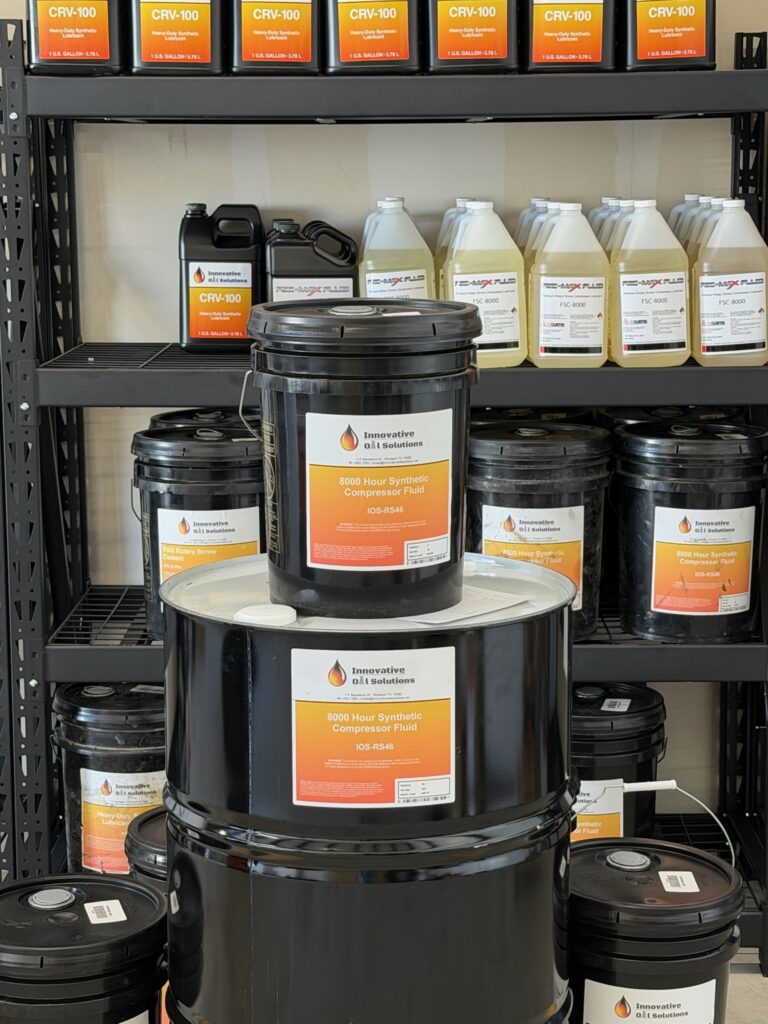
Why One-Size-Fits-All Oils Increase Long-Term Costs
Using a single PAO oil across multiple compressor brands may simplify purchasing, but it often increases energy consumption, operating temperatures, and wear. Proper oil selection based on OEM chemistry is critical for controlling lifecycle costs.
Innovative Oil Solutions: OEM-Matched Lubrication Done Right
Innovative Oil Solutions provides OEM-matched, custom-blended bulk lubricants that protect efficiency, reliability, and equipment life. Our approach ensures compliance with manufacturer requirements while delivering meaningful cost savings across industrial lubrication programs.